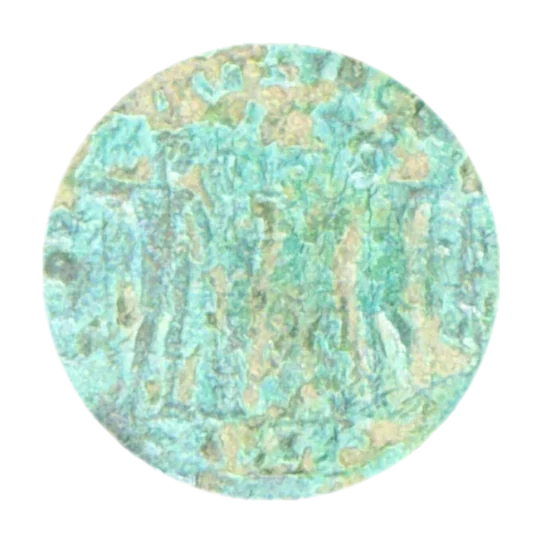
Finds of the North West
Two thousand years of things people lost
Cheshire and Greater Manchester sat on the road network of Roman Britain, then the salt trade, the Earls of Chester and a Civil War. Each left small things in the soil.
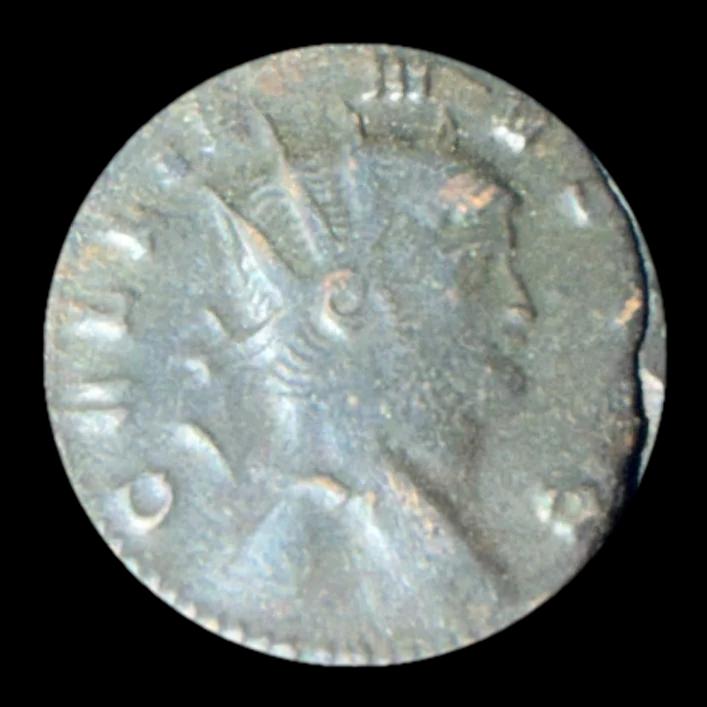
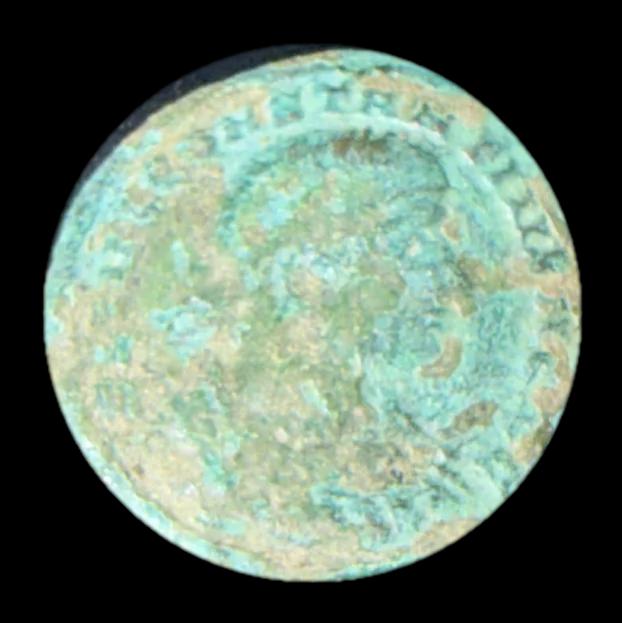
01 · AD 43 to 410
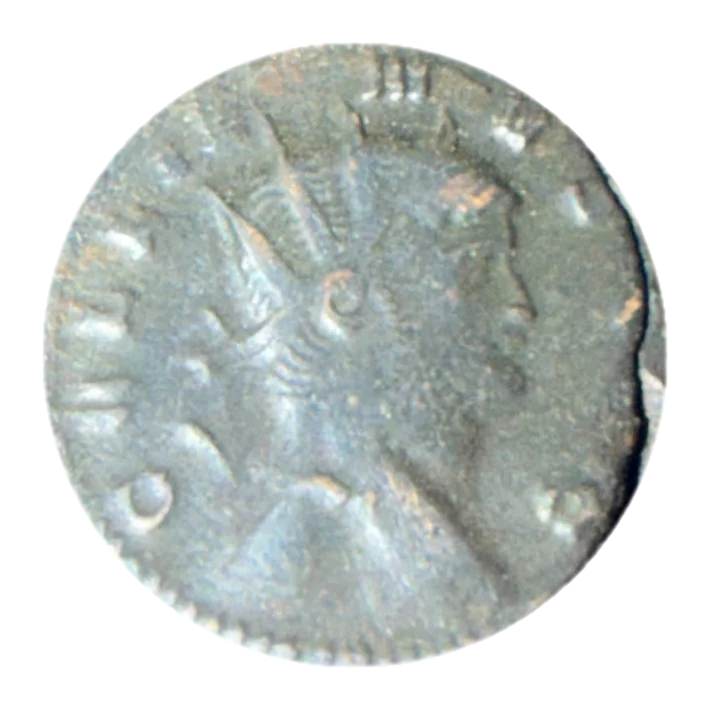
Roman coins
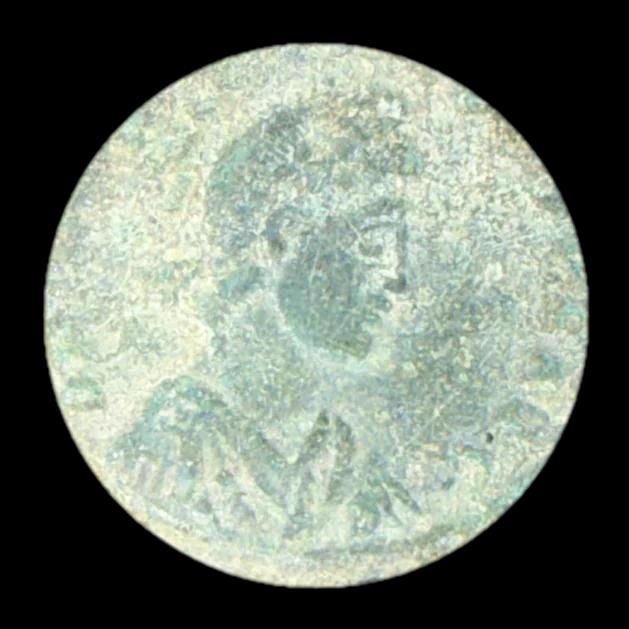
Coins were how Rome paid its army and moved its money, and Britain was run on them for nearly four centuries. Bronze issues like this one were the small change of everyday life: bought bread, paid a toll, got lost in a field.
In the North WestChester was the base of a legion and Manchester a fort on the road north, so coin finds follow the Roman roads, forts and farms across Cheshire and Greater Manchester.
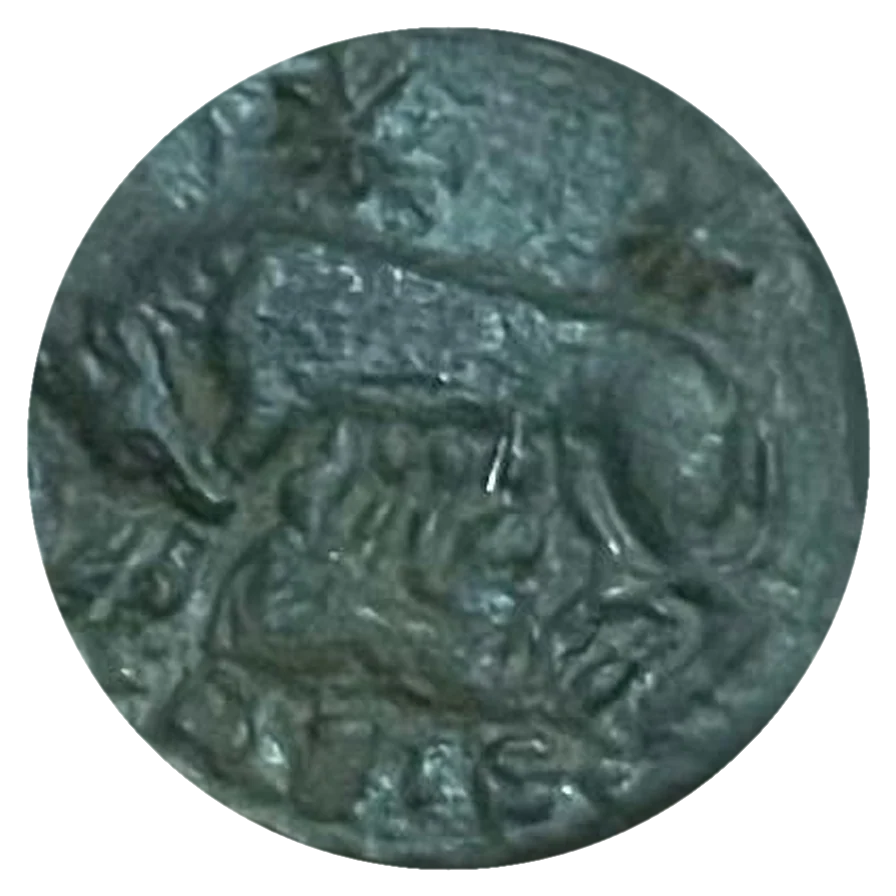
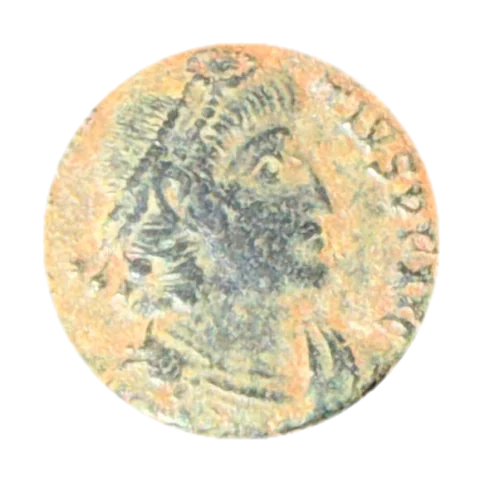
02 · about AD 330 to 340
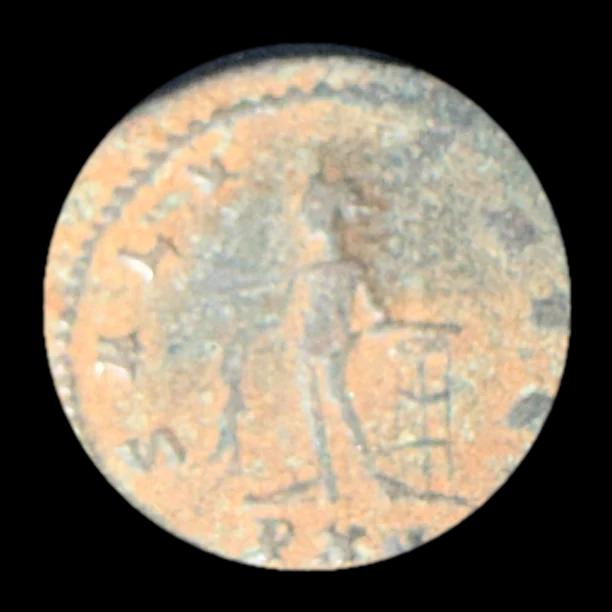
The she wolf and the twins
Coins showing the wolf and the twins were struck in huge numbers in the 330s, to celebrate Rome as a city. They are among the commonest late Roman bronze coins found in Britain, and one of the first a new detectorist learns to recognise.
In the North WestLate Roman coins like this turn up wherever Roman life carried on into the fourth century, which in the North West means the countryside around Chester and the salt towns.
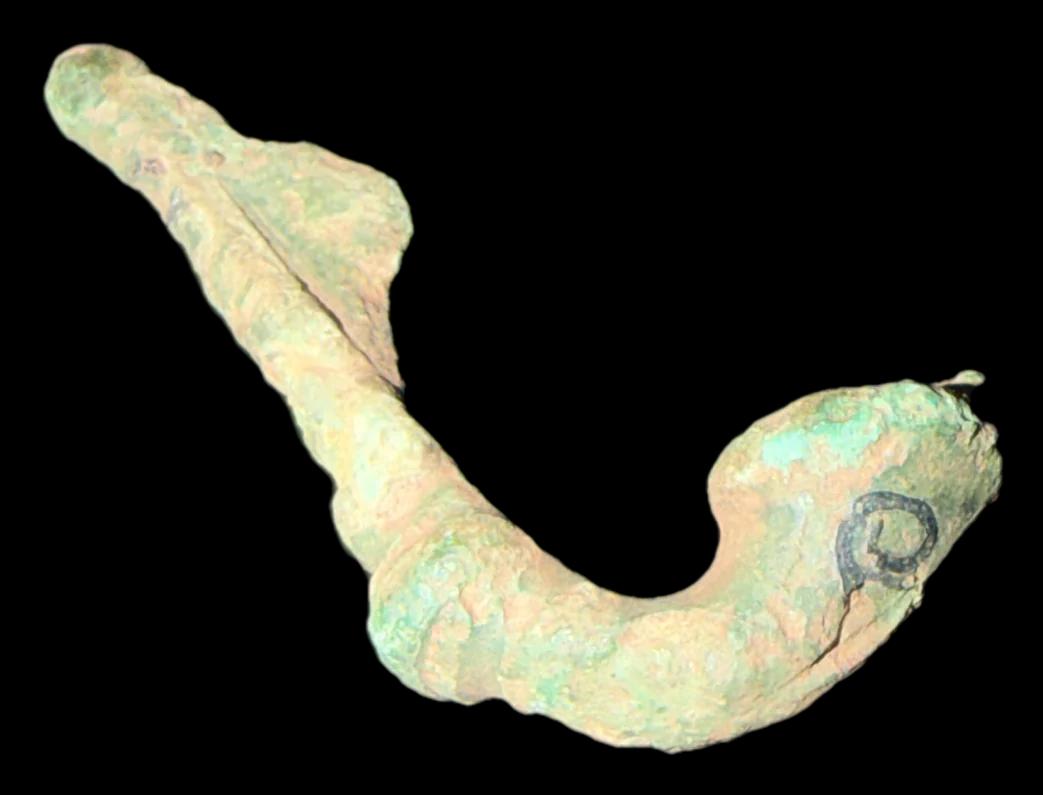
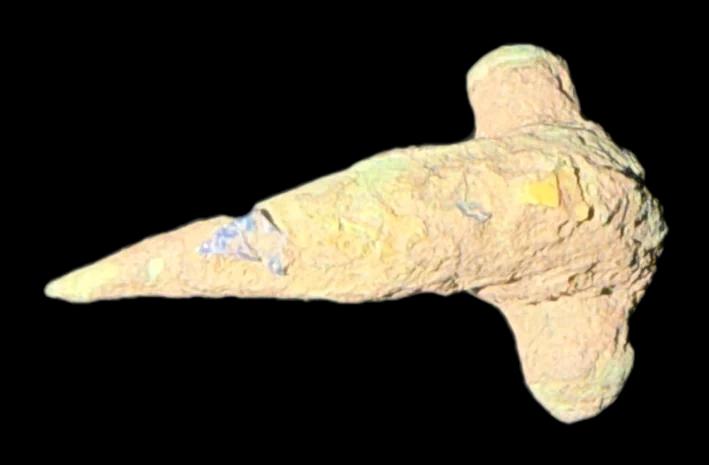
03 · AD 100 to 300
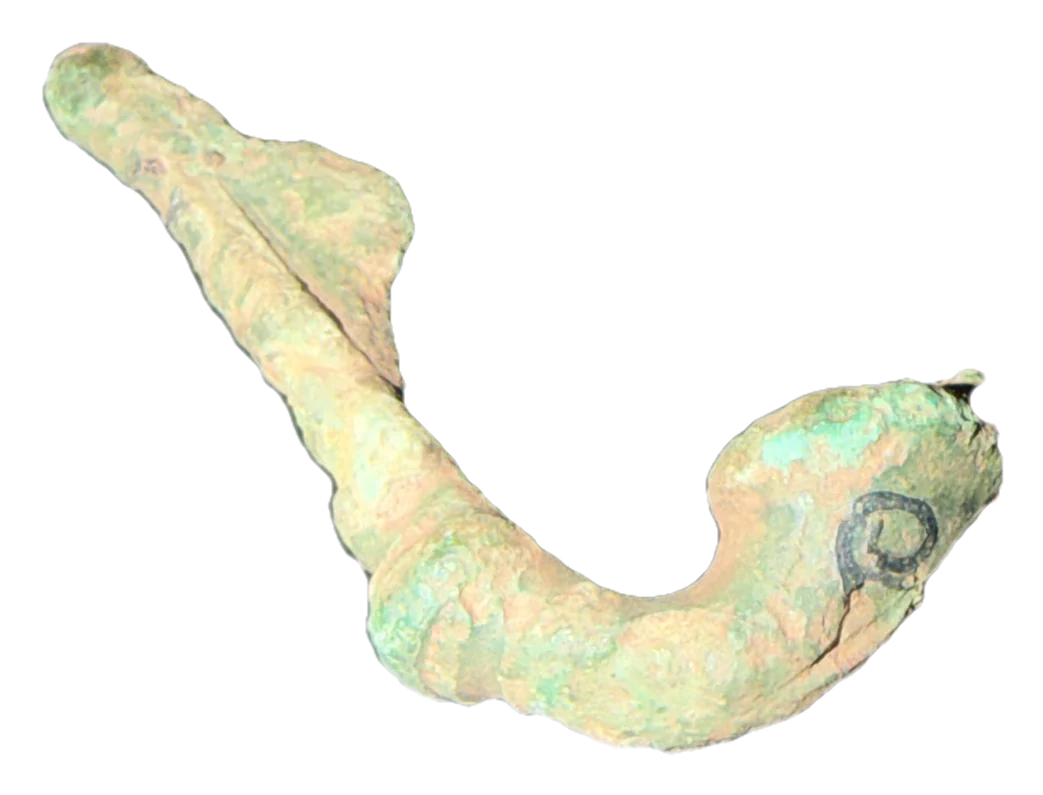
Roman brooches
The Roman brooch, or fibula, was the safety pin of its day and it held every cloak and tunic together. Because they were worn, snagged and lost, brooches are one of the most common Roman finds in Britain, and enamelled ones were a particular fashion of Roman Britain in the second and third centuries.
In the North WestAnywhere Roman soldiers, traders and farmers moved, brooches were dropped. The ground around the Roman roads and settlements of Cheshire is rich in them.
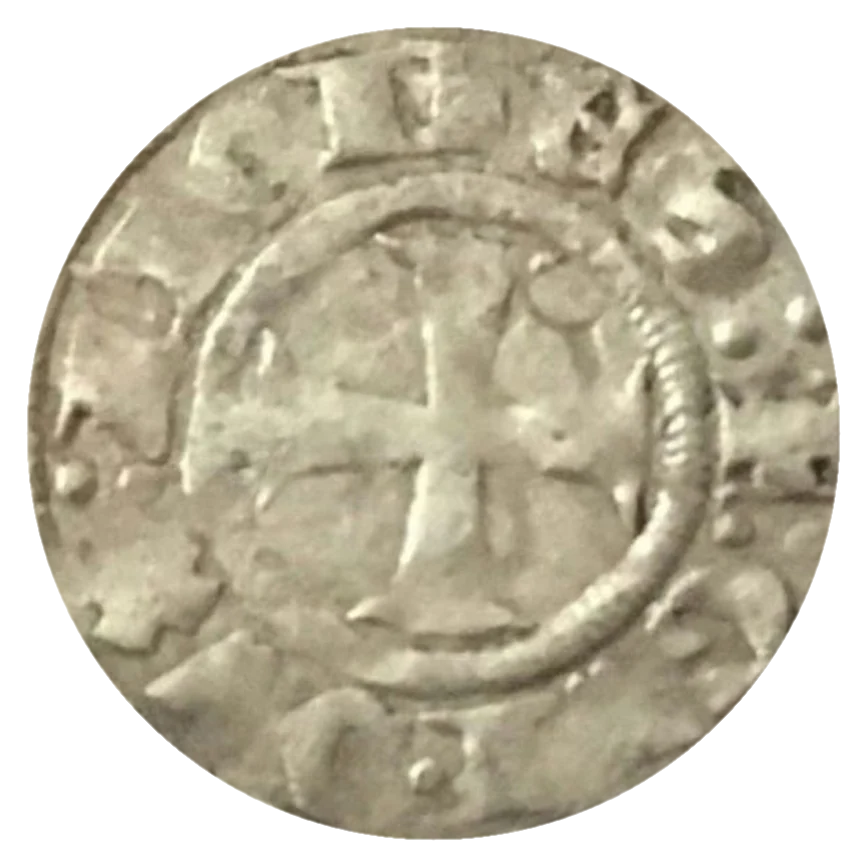
04 · about 1180 to 1300
Medieval silver pennies
For centuries the silver penny was the only coin in England. The cross on the back was a guide for cutting it into halves and quarters when you needed smaller change, so a cut coin is a sign of an ordinary day at market.
In the North WestMarket towns like Chester, Nantwich and Macclesfield, and the farms that fed them, lost pennies for generations. Fields near old routes and fairs give the most.
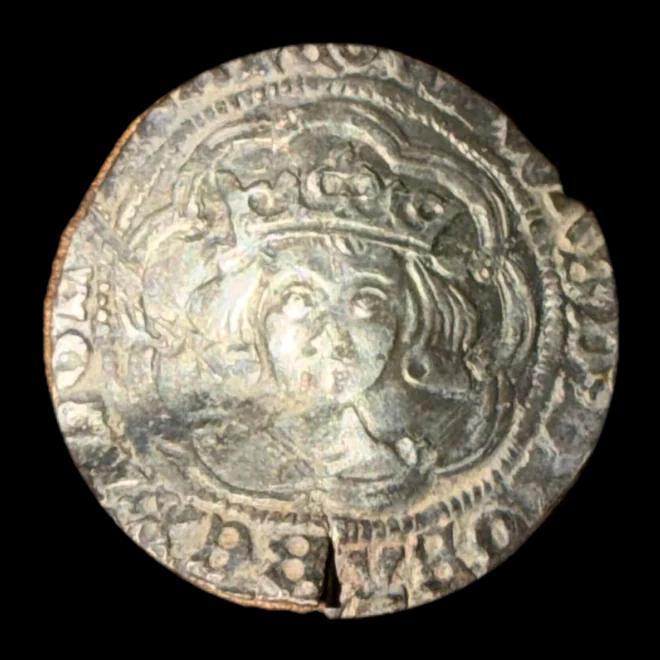
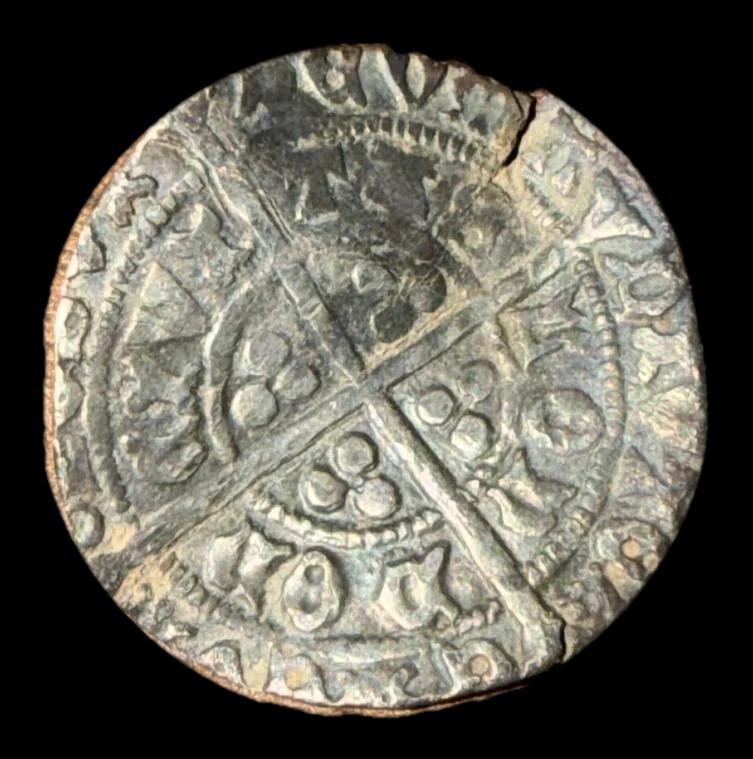
05 · about 1300 to 1660
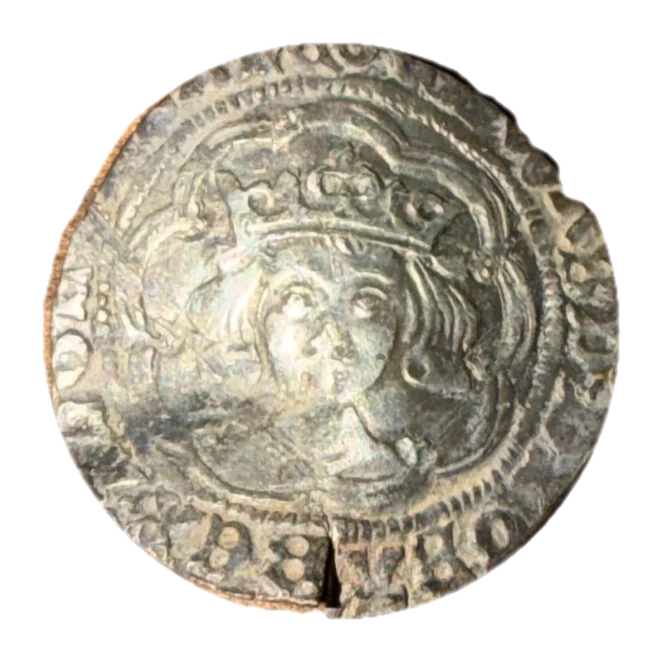
Hammered silver
Every one of these was made by hand: a blank of silver placed between two engraved dies and struck with a hammer. No two are quite alike, and the method lasted from the Middle Ages until machines took over in the 1660s.
In the North WestTudor and Stuart coins mark the farms, inns and roadsides of the Cheshire plain.
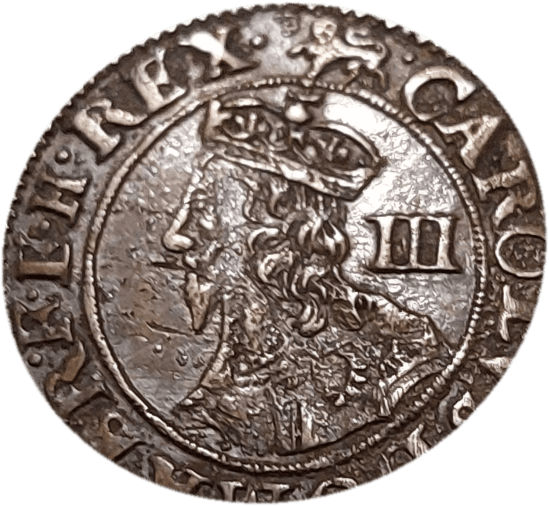
06 · 1625 to 1649
Civil War silver
Charles I coins were in pockets all through the Civil War. The conflict came to the North West in force: Nantwich was relieved in January 1644, the Royalists were beaten at Rowton Heath in 1645, and Chester held out under siege until early 1646.
In the North WestMusket balls, coins and buckles around Nantwich, Chester and the roads between them are the traces of those years.
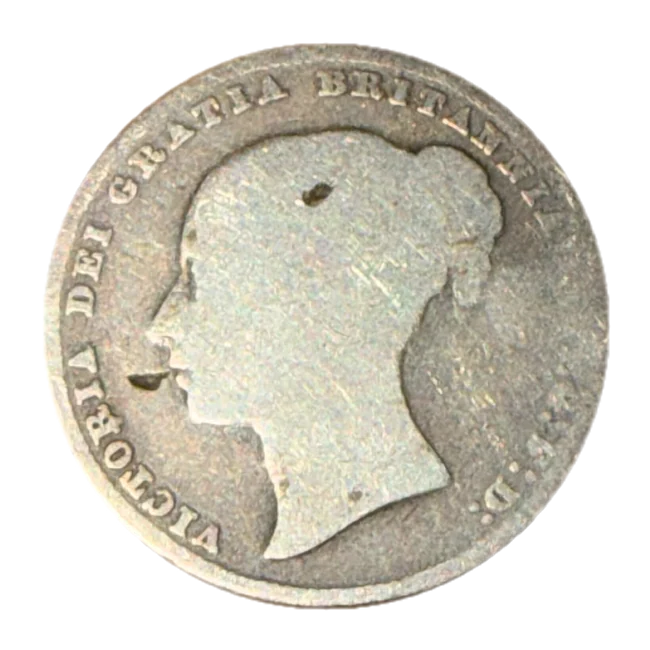
07 · 1800s and 1900s
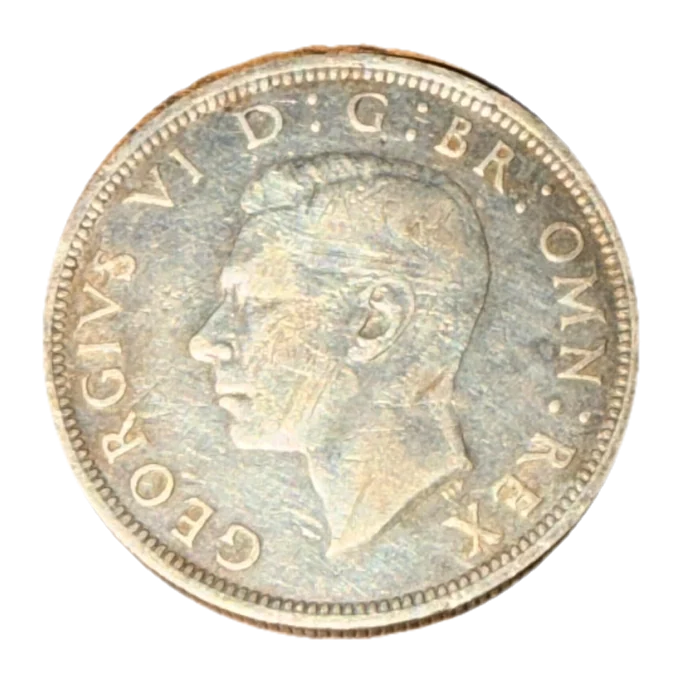
Later silver
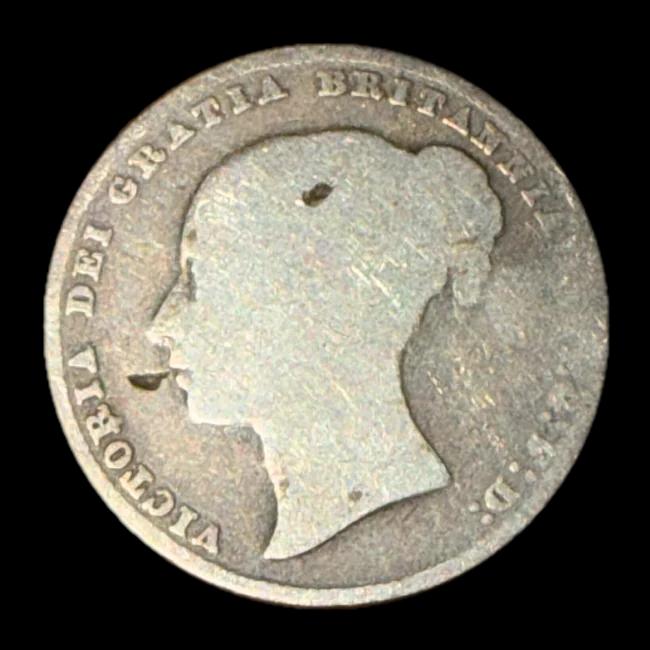
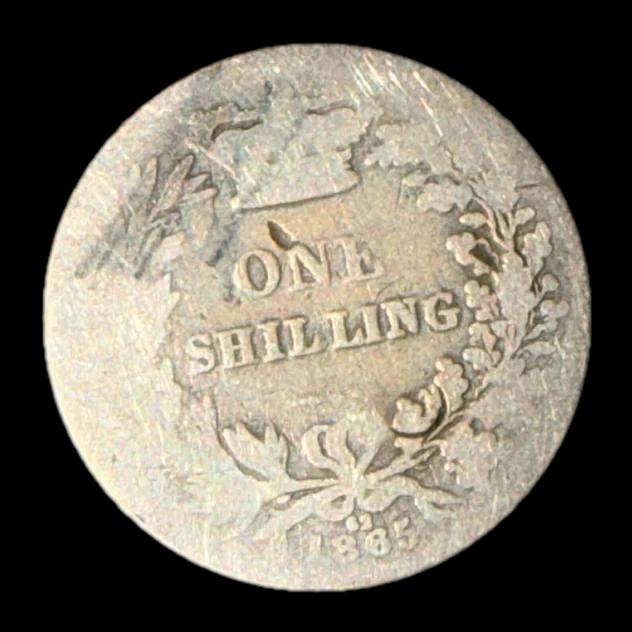
From the Georgian and Victorian years the plough soil fills with silver: threepences, sixpences and shillings dropped on the way to market, at the pub or in the field. Their portraits and dates make them some of the easiest finds to read, and each one is a small bit of social history.
In the North WestVillages, old footpaths and the edges of fields around Cheshire’s market towns give most of them, along with buttons, buckles and tokens from the same years.
08 · Roman to medieval
Openwork pendants
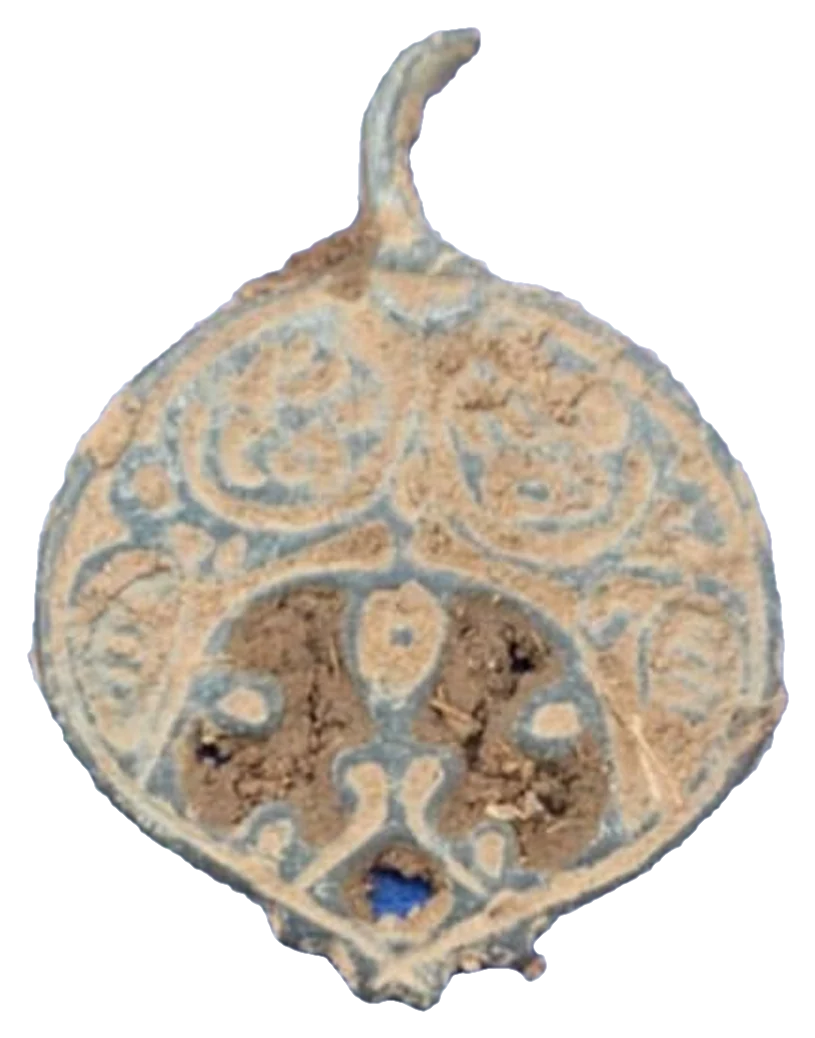
Pierced and scrolling pendants were made in the Roman and medieval worlds as horse harness decoration and as dress ornament. They are small, beautiful and often very hard to date, which is where a guide’s eye helps.
In the North WestFittings like this come from the places where people travelled and worked animals: old tracks, drove roads and the edges of fields.
More from our digs
12 more finds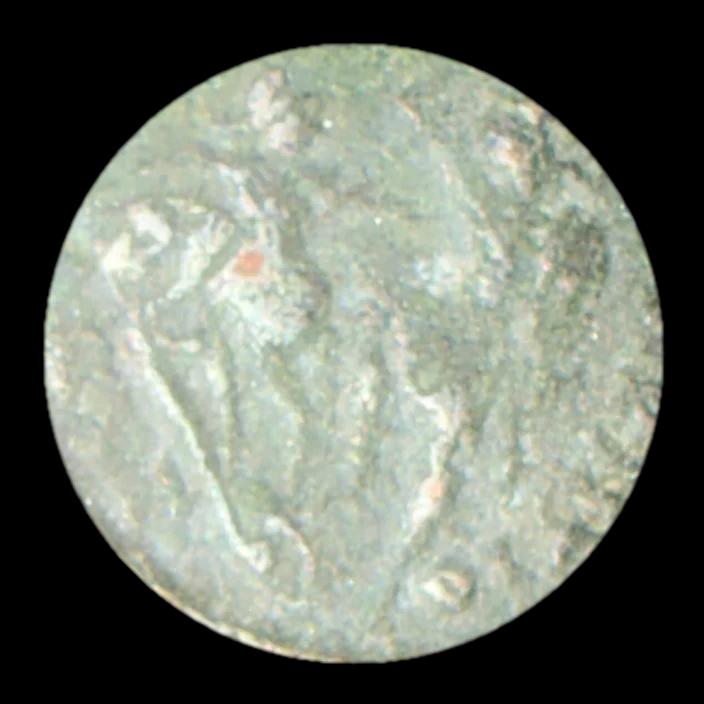
Also turning up across the region
- Bronze Age axeheadsPalstaves and socketed axes from more than three thousand years ago, often found near ancient copper working at Alderley Edge.
- Viking silverArm rings and cut silver from the Viking age. The great Cuerdale hoard, found in Lancashire, was one of the largest Viking hoards ever discovered in Britain.
- Seal matricesSmall bronze seals used by medieval merchants, priests and landowners to sign their letters and deeds.
- Pilgrim badgesLead and pewter souvenirs worn by medieval pilgrims, a reminder that Chester was a place people travelled to.
- Buckles and dress hooksMedieval and Tudor clothing fittings, the most common non coin finds on almost every site.
- Musket balls and military fittingsLead shot and gear from the Civil War battlefields and garrison towns of Cheshire.
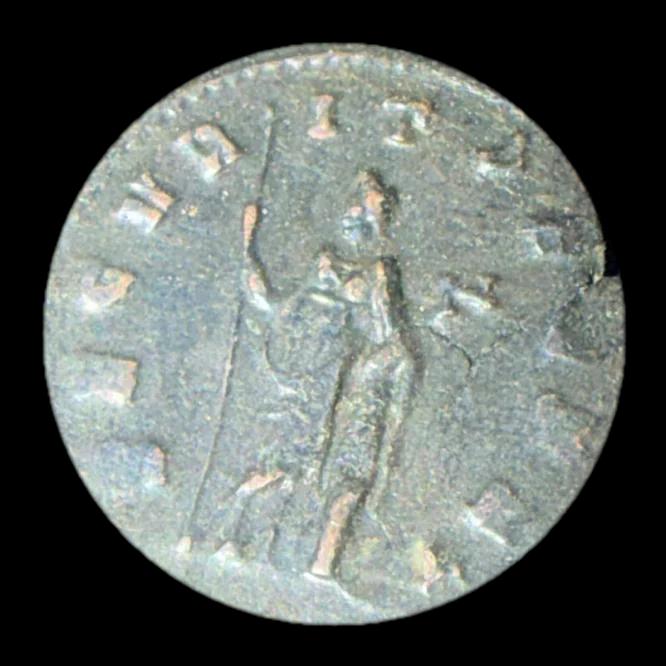
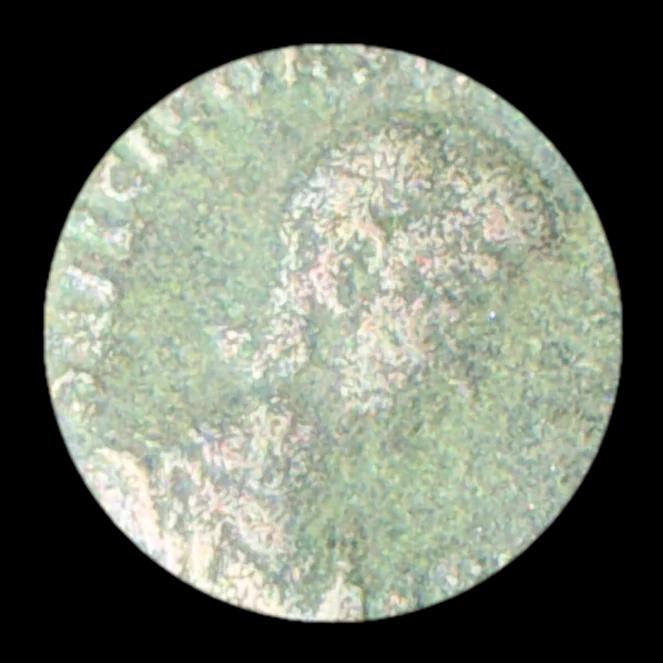
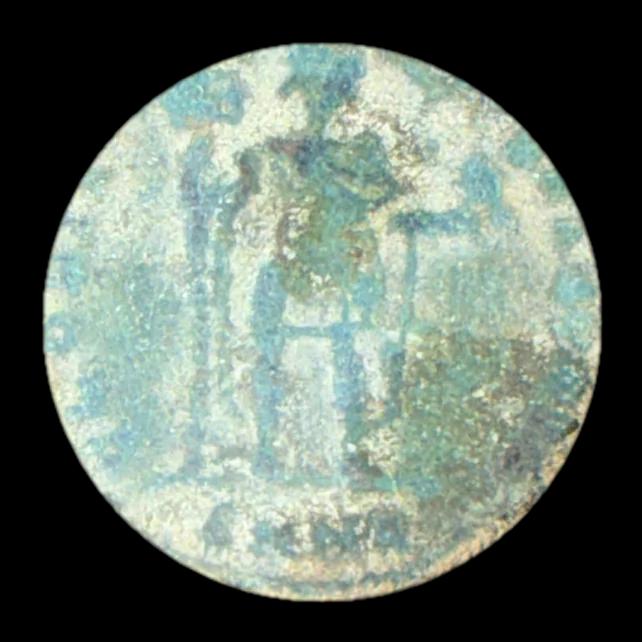
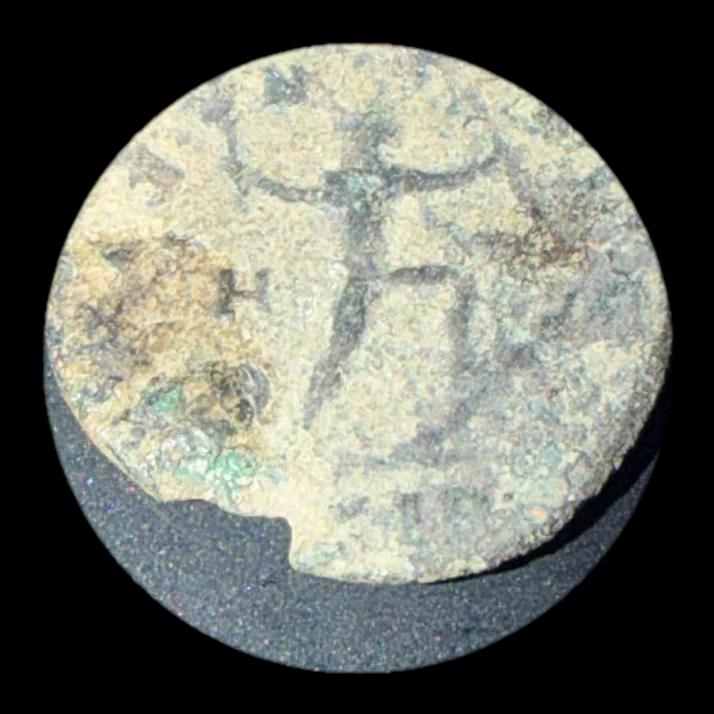
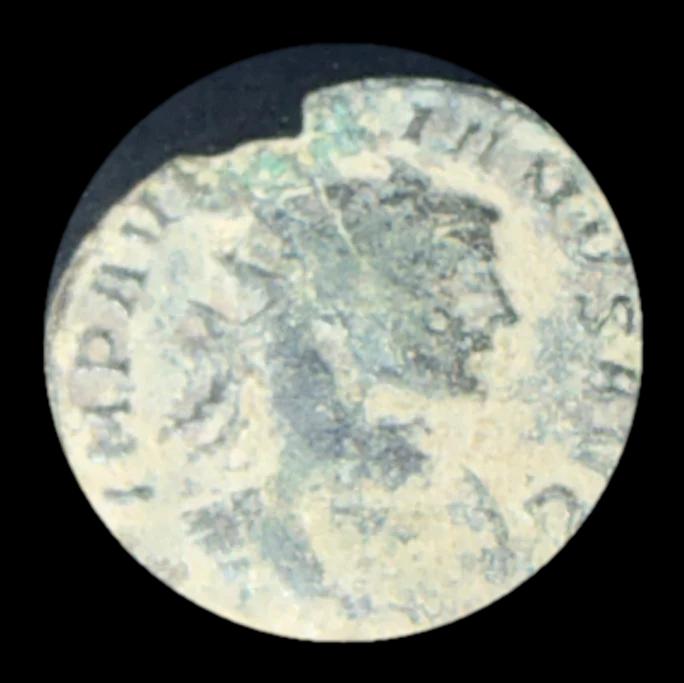
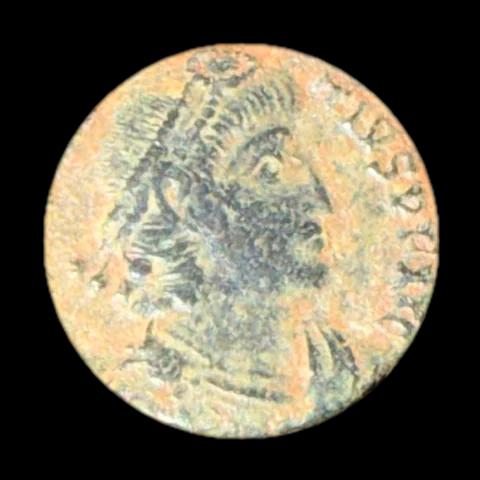
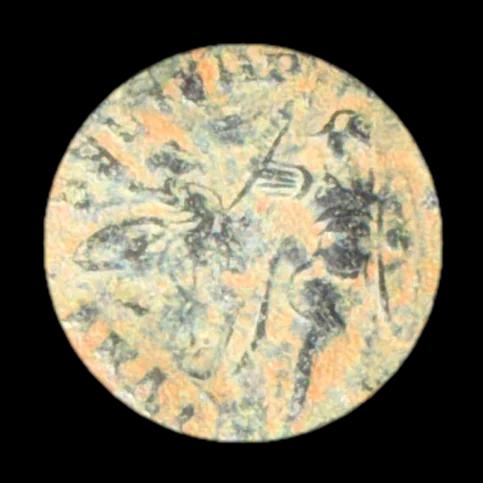
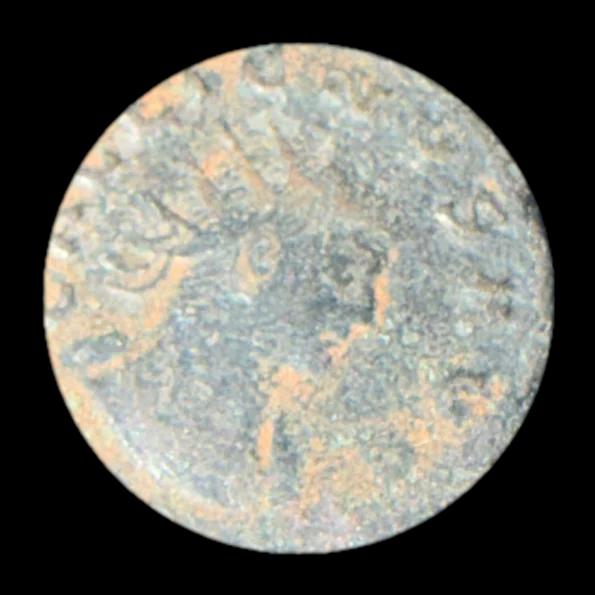
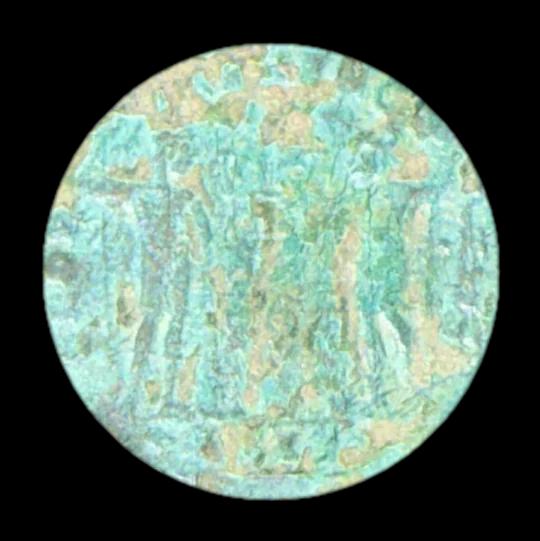
The photographs show finds from our recent digs. We never promise what a field will give you, but we put you on ground worth searching, and your guide will talk you through everything you lift.
Go and find your own2027 booking open from 24 November 2026Nothing is charged today