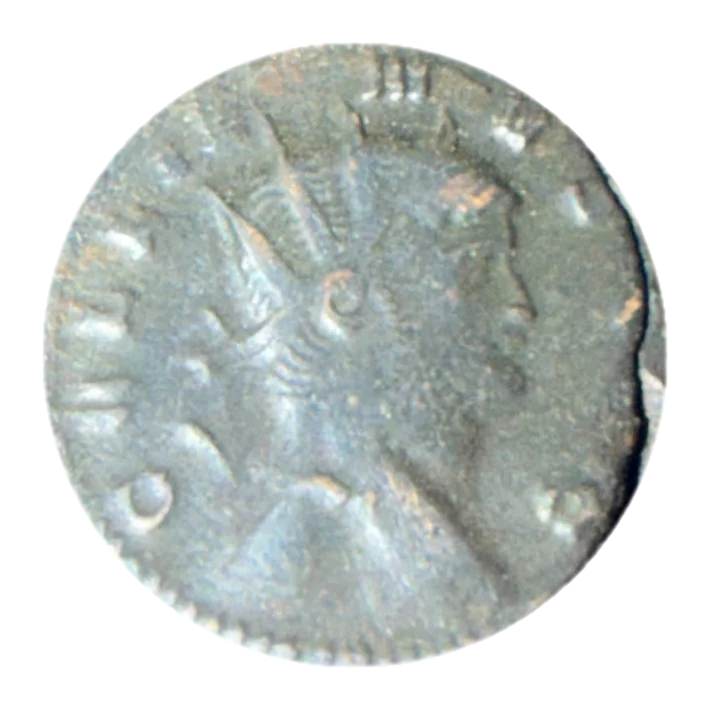
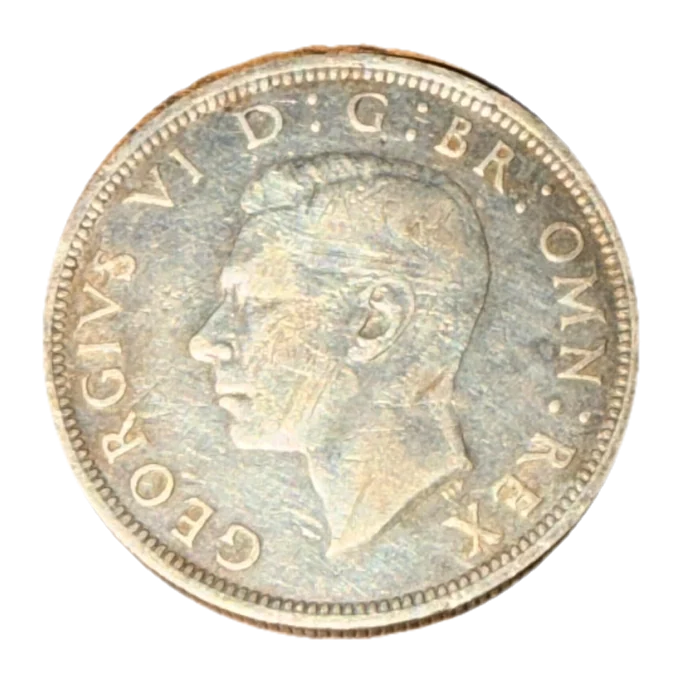
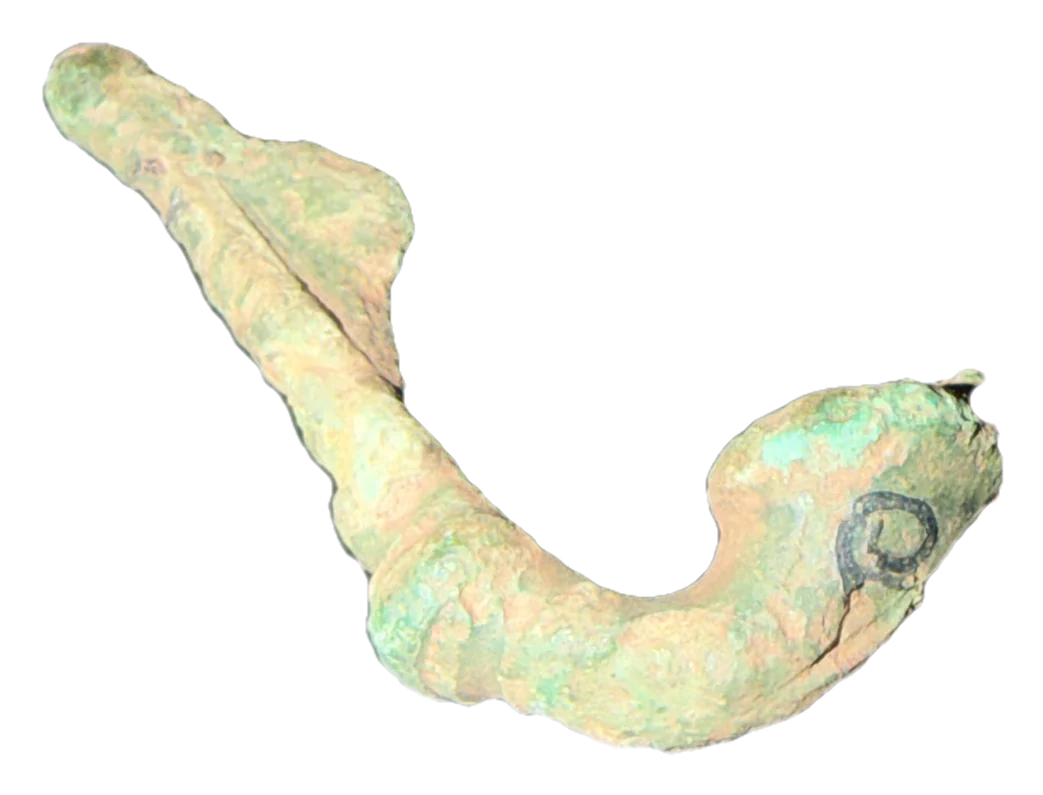


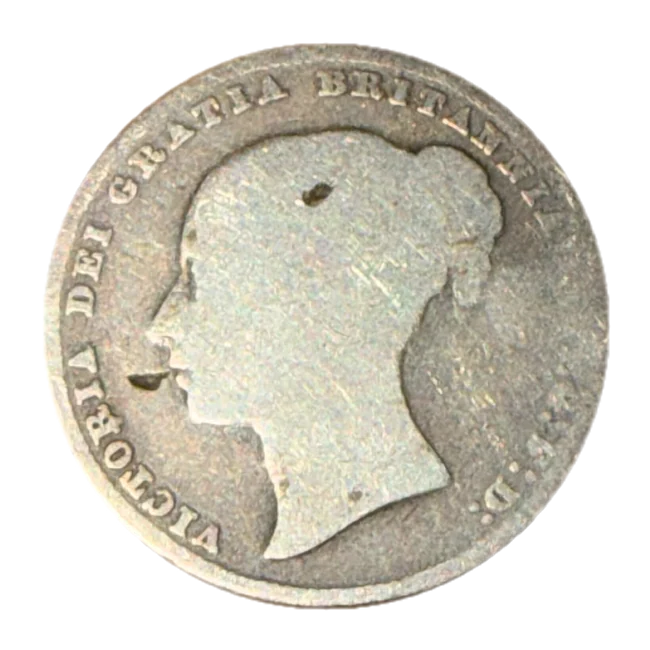


Yes. In England, visitors can metal detect on land where the owner has given permission, and no licence is needed for the detector. Scheduled monuments are off limits, treasure must be reported within 14 days, and finds over 50 years old need an export licence to leave the country.
Permission comes first
In England, detecting on private land needs the permission of the landowner or occupier. You do not need a licence for the detector itself. Land that is a scheduled monument is off limits without consent from Historic England, which a landowner cannot give, and Sites of Special Scientific Interest and land in some farm schemes have their own restrictions.
The simplest way for a visitor to detect legally is on a guided trip where the permission has already been arranged. On our holidays we arrange and pay for land permissions, so guests only detect on land where the owner has agreed.
What happens if you find treasure
Treasure must be reported within 14 days, through the local Finds Liaison Officer, to the coroner. Treasure belongs to the Crown, and a reward can go to the finder and the landowner. Since 30 July 2023 the definition of treasure also covers some objects over 200 years old because of their historical, archaeological or cultural significance. Failing to report treasure is an offence.
Your guide handles the reporting on our trips, so you do not need to know the process in advance.
Recording your finds
The Portable Antiquities Scheme records archaeological finds made by the public, run by the British Museum with local Finds Liaison Officers. Recording non treasure finds is voluntary, but it is the responsible thing to do, and it is how most finds become part of the national record. The Code of Practice for Responsible Metal Detecting in England and Wales is also voluntary and is followed on all our trips.
Taking finds home
Archaeological objects found in UK soil that are more than 50 years old need an individual export licence from Arts Council England before they leave the UK. The licence is free to apply for. Recording the find with the Portable Antiquities Scheme first is best practice, and objects that may be treasure cannot leave until the treasure process has finished.
Scotland, Wales and Northern Ireland
This page covers England only. The law differs in Scotland, Wales and Northern Ireland, so check before detecting there. All of our trips are in Cheshire and Greater Manchester, England.
Quick answers
Do I need a licence to use a metal detector in the UK?
Not for the detector itself in England. You need the permission of the landowner, and some land, such as scheduled monuments, cannot be detected at all without consent from Historic England.
Do overseas visitors need a visa to go metal detecting in the UK?
Visitors from the USA, Canada, Australia and most of Europe usually need a UK Electronic Travel Authorisation rather than a visa. Check GOV.UK for the current rules and fee before you travel.
Can I keep what I find?
Finds that are not treasure are agreed with the landowner. Treasure belongs to the Crown, with a possible reward for the finder and landowner.
Sources
- NCMD, overseas visitors
- Treasure Act 1996 Code of Practice (GOV.UK)
- Report treasure (GOV.UK)
- Ancient Monuments and Archaeological Areas Act 1979, section 42
- Portable Antiquities Scheme (British Museum)
- Arts Council England, export of cultural goods
- UK Electronic Travel Authorisation (GOV.UK)
Rules change. This guide was last reviewed on 27 November 2026. It is not legal advice, so check the official sources above before you travel.