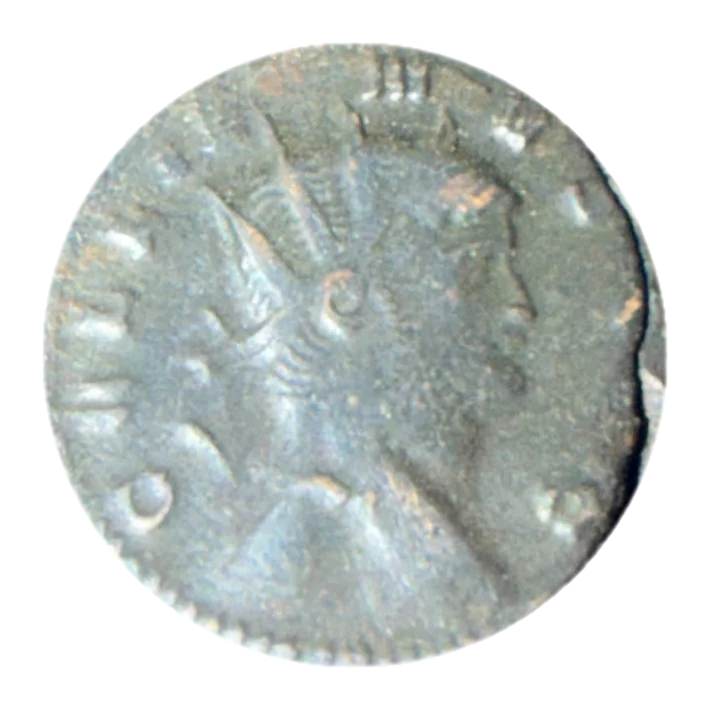

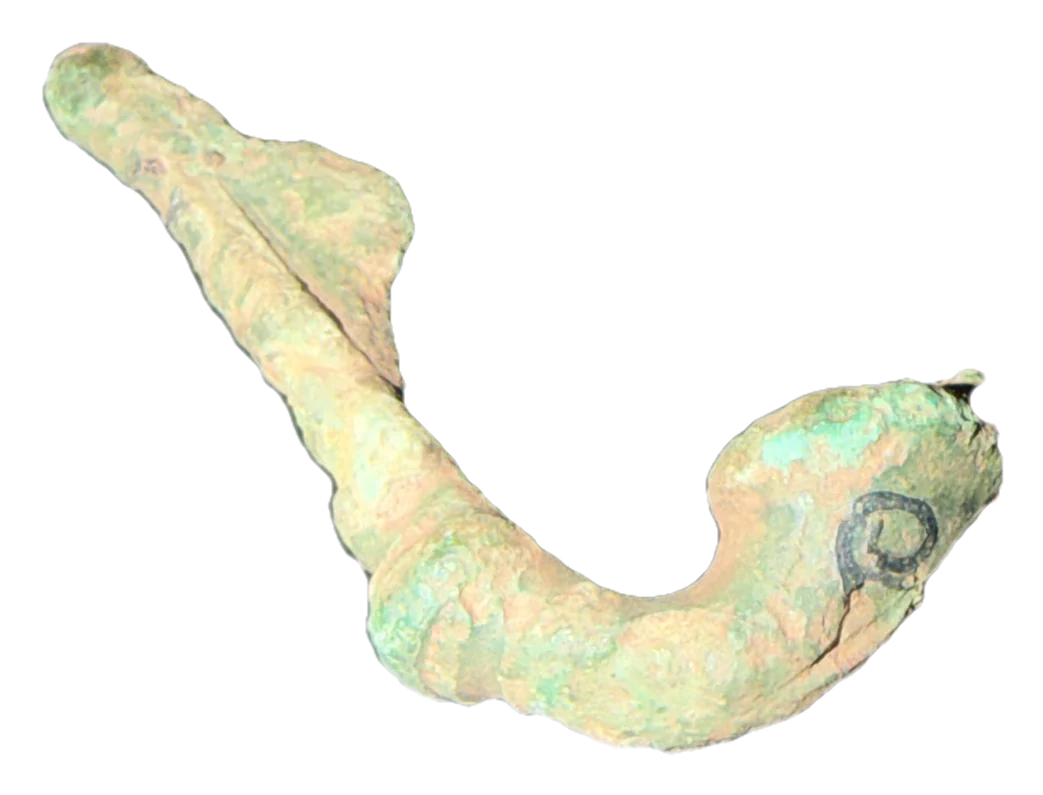
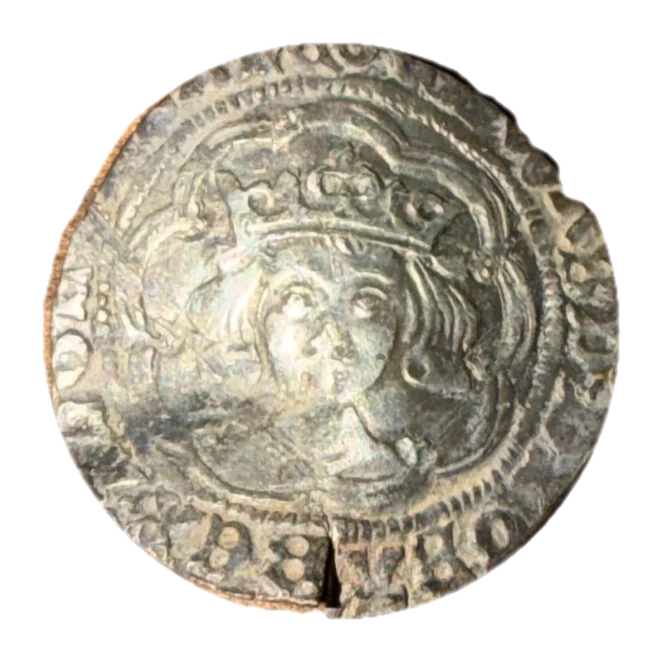




Finds that are not treasure are agreed with the landowner, and each farm sets its own terms, which we explain before you start. Treasure belongs to the Crown, with a possible reward shared between the finder and the landowner.
Landowner first
In England, objects in the ground belong to the landowner unless they are treasure. Detecting is only legal with the owner's permission, so the owner decides what happens to finds. We explain each farm's arrangement before you start, so there are no surprises.
Treasure and rewards
Treasure must be reported within 14 days, through the local Finds Liaison Officer, to the coroner. Treasure belongs to the Crown, and a reward can go to the finder and the landowner. Since 30 July 2023 the definition of treasure also covers some objects over 200 years old because of their historical, archaeological or cultural significance. Failing to report treasure is an offence.
Your finds box
Every guest on our trips gets a finds box to take home for the finds they are able to keep. Finds are identified, cleaned gently and recorded as part of each evening.
Quick answers
Are finds split 50:50?
There is no single standard split. Arrangements are agreed with each landowner, and treasure rewards are decided through the official process.
Can I be sure to find something?
No, and nobody honest can promise it. We choose land with a history worth searching and put you on it for the whole day.
Sources
- Treasure Act 1996 Code of Practice (GOV.UK)
- Report treasure (GOV.UK)
- NCMD, overseas visitors
- Portable Antiquities Scheme (British Museum)
Rules change. This guide was last reviewed on 27 November 2026. It is not legal advice, so check the official sources above before you travel.