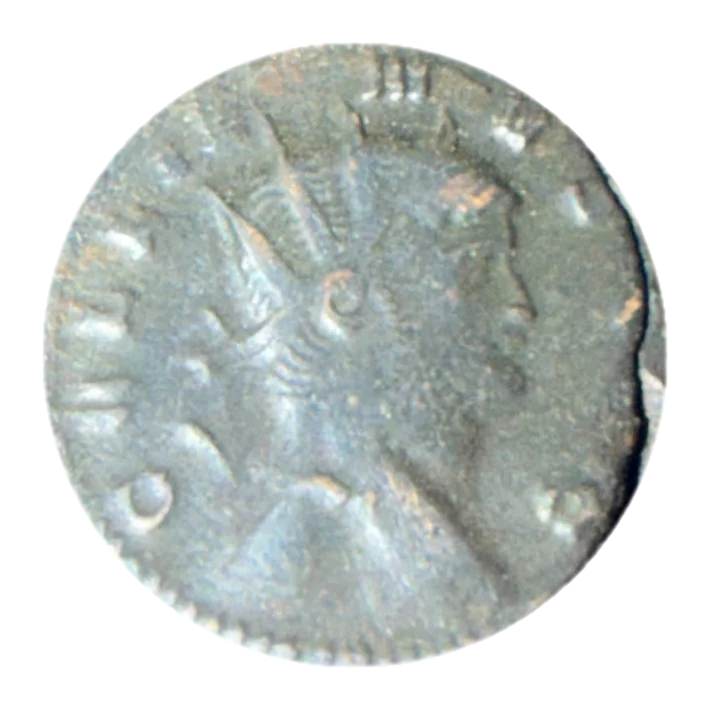
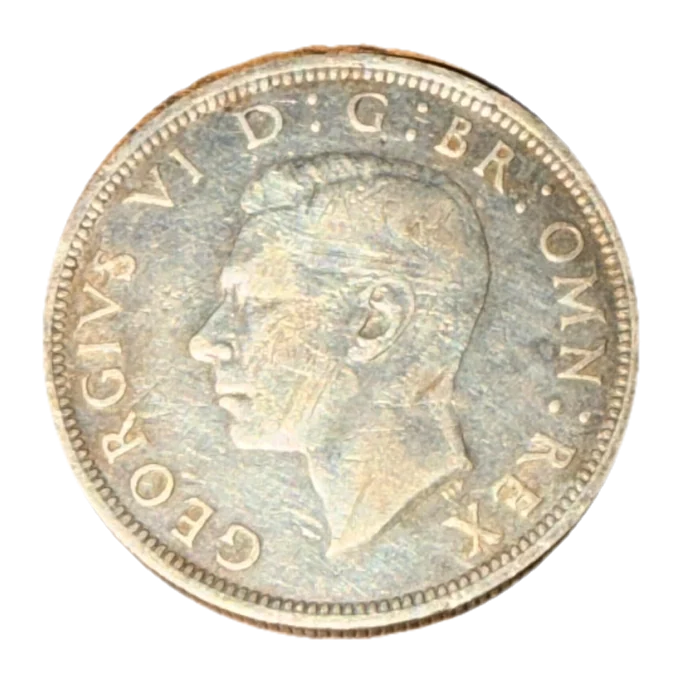
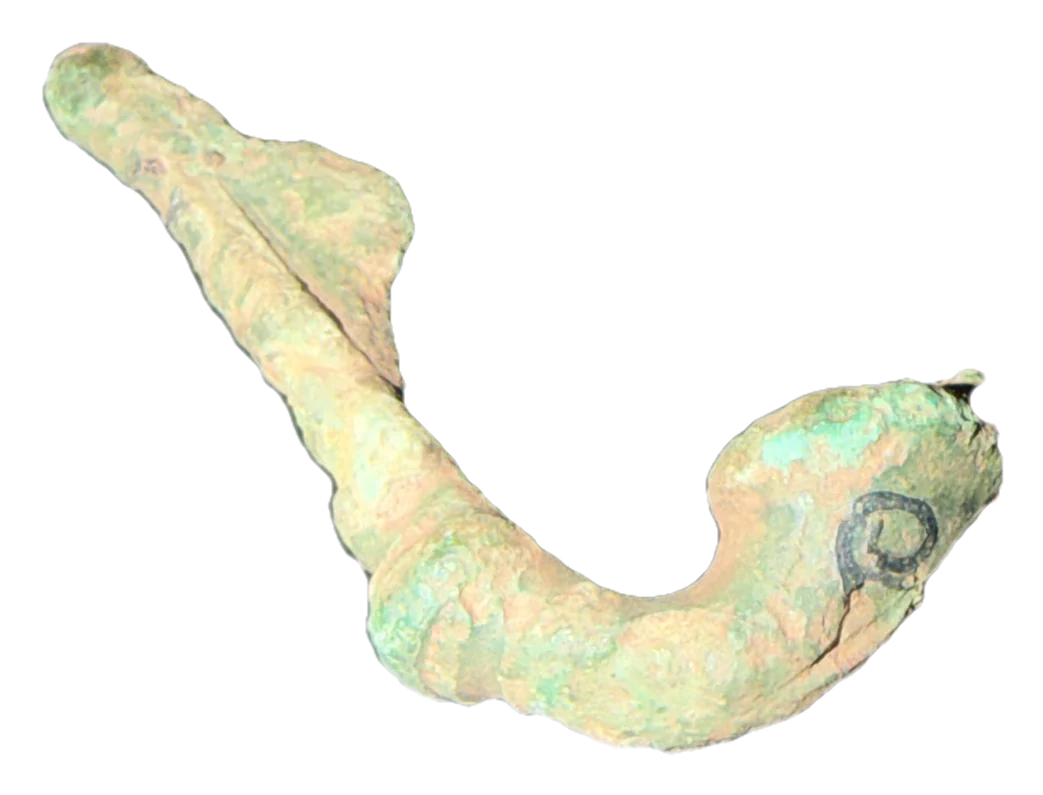
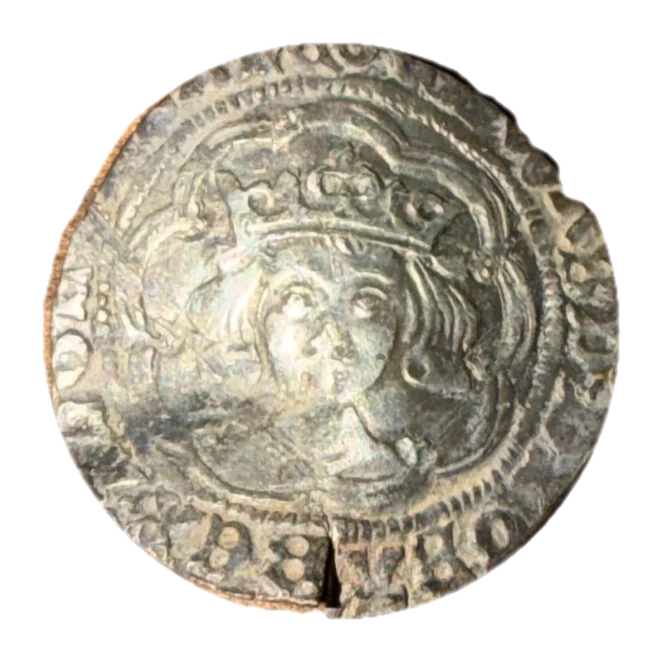
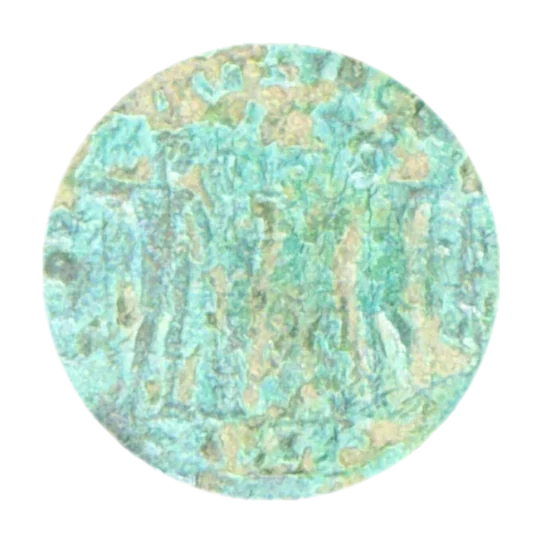
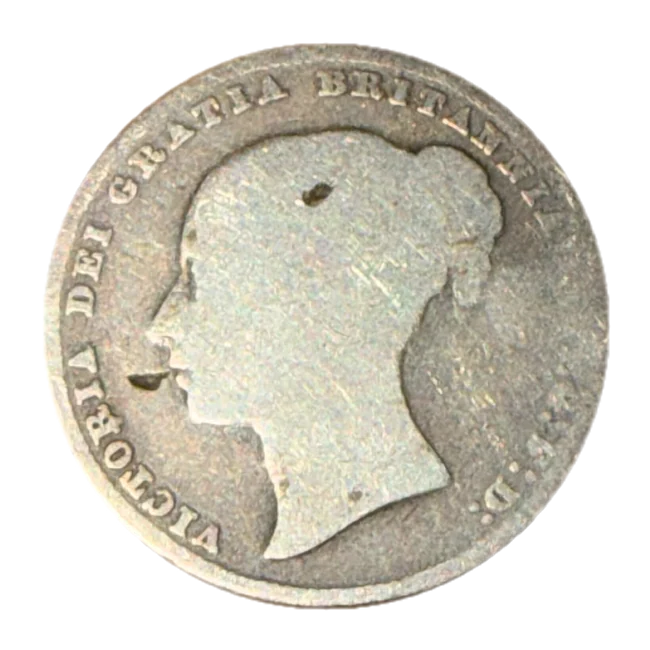
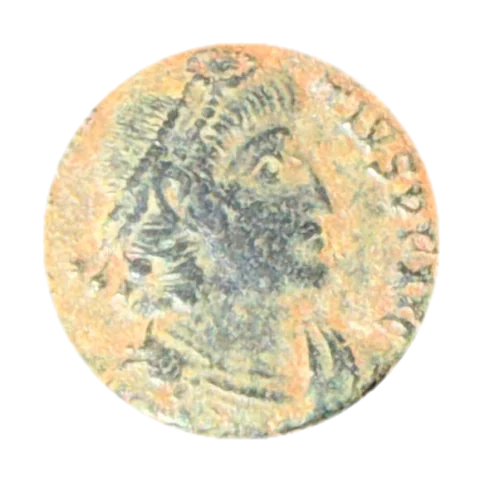
Often yes, but not automatically. Archaeological objects found in UK soil that are more than 50 years old need an individual export licence from Arts Council England, which is free to apply for. Anything that may be treasure has to go through the treasure process first.
The 50 year rule
Archaeological objects found in UK soil that are more than 50 years old need an individual export licence from Arts Council England before they leave the UK. The licence is free to apply for. Recording the find with the Portable Antiquities Scheme first is best practice, and objects that may be treasure cannot leave until the treasure process has finished.
Treasure is different
Treasure must be reported within 14 days, through the local Finds Liaison Officer, to the coroner. Treasure belongs to the Crown, and a reward can go to the finder and the landowner. Since 30 July 2023 the definition of treasure also covers some objects over 200 years old because of their historical, archaeological or cultural significance. Failing to report treasure is an offence.
Recent coins and modern finds
Modern coins, buttons and other objects less than 50 years old are not subject to the same export rules. Most visitors come home with a mix of both, and your guide will tell you which of your finds fall into which group.
Rules in your home country
Your own country may have rules about importing antiquities. We have not researched those, so check with your customs authority before you travel.
Quick answers
Is the export licence expensive?
The application is free to make. Check Arts Council England for the current process and timings.
Can I post my finds home?
The same export licence rule applies however an object leaves the UK.
Sources
- Arts Council England, export of cultural goods
- NCMD, overseas visitors
- Report treasure (GOV.UK)
- Treasure Act 1996 Code of Practice (GOV.UK)
- Portable Antiquities Scheme (British Museum)
Rules change. This guide was last reviewed on 27 November 2026. It is not legal advice, so check the official sources above before you travel.