



Guides
Metal detecting in England
Straight answers on the rules, the history and the cost, each with its sources.
- 01
Can tourists metal detect in the UK?
Yes. In England, visitors can metal detect on land where the owner has given permission, and no licence is needed for the detector. Scheduled monuments are off limits, treasure must be reported within 14 days, and finds over 50 years old need an export licence to leave the country.
- 02
Can you take your finds home from the UK?
Often yes, but not automatically. Archaeological objects found in UK soil that are more than 50 years old need an individual export licence from Arts Council England, which is free to apply for. Anything that may be treasure has to go through the treasure process first.
- 03
Do you keep what you find?
Finds that are not treasure are agreed with the landowner, and each farm sets its own terms, which we explain before you start. Treasure belongs to the Crown, with a possible reward shared between the finder and the landowner.
- 04
The best country for metal detecting
In our view England is the easiest major country for a visitor: permission from the landowner is enough, no licence is needed for the detector, and a treasure reward system rewards finders and landowners. Denmark also allows detecting with permission, but potentially historic finds go to the state.
- 05
Where is the best place to go metal detecting?
The best places are ploughed farmland with a long history, with the owner's permission. Beaches and public land have their own rules, and scheduled monuments are off limits.
- 06
How much does a metal detecting holiday cost?
Our guided holidays cost £1,589 per person for 3 days, £2,489 for 5, £4,289 for 9 and £6,489 for 14, excluding travel to the North West. Any length from 4 days is available at the same per day rates.
- 07
Metal detecting in Cheshire
We detect on private Cheshire farmland with the owner's permission. Chester was a Roman legionary fortress, Deva, from the mid 70s AD, and the county has Roman roads, a salt industry that began in Roman times, and a Civil War history.
- 08
What can you find metal detecting in England?
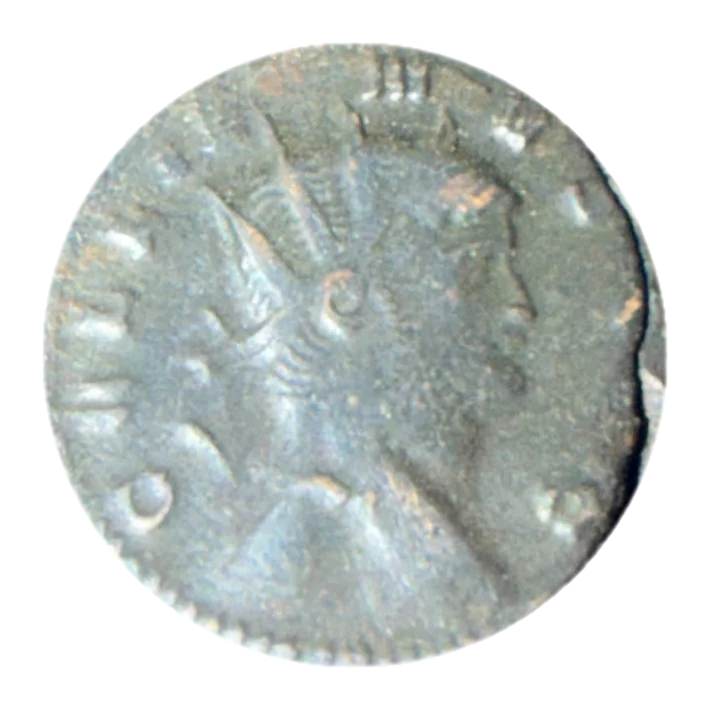
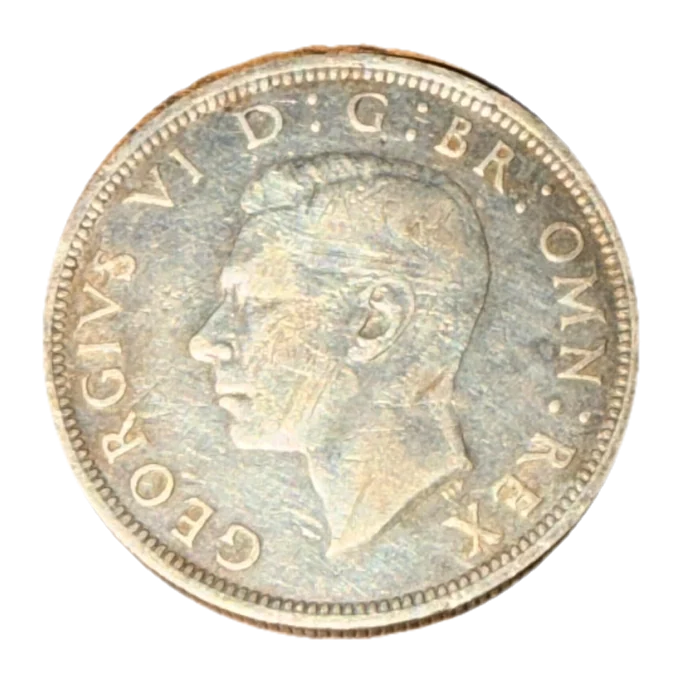
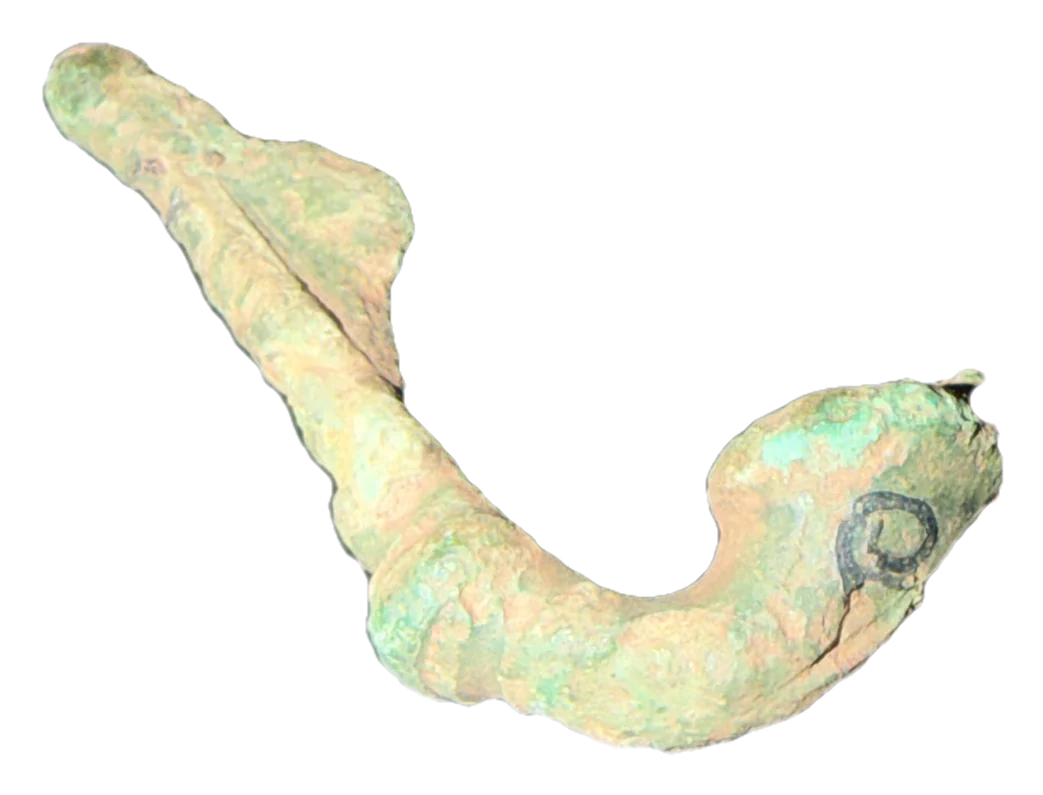
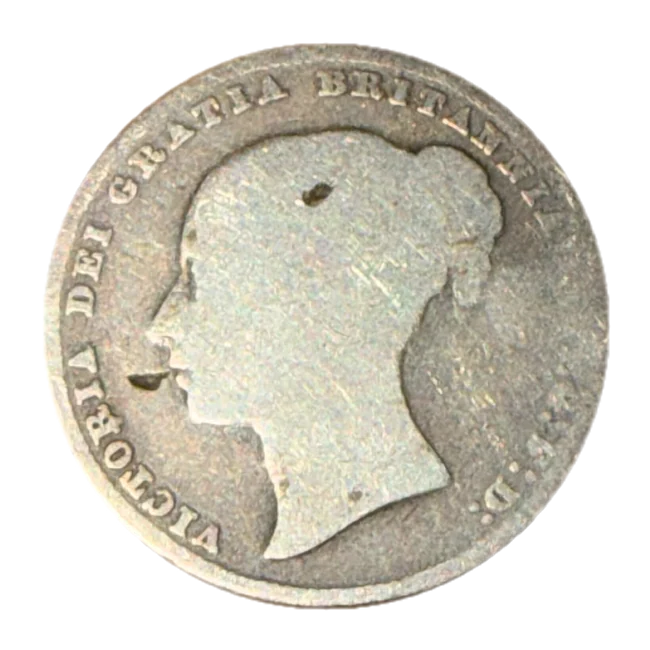
Roman and medieval coins, brooches, buckles, tokens and lead shot are the most common archaeological finds. In 2024, 79,616 finds were recorded with the Portable Antiquities Scheme, of which 1,540 were treasure cases, and 94% of treasure was found by detectorists.